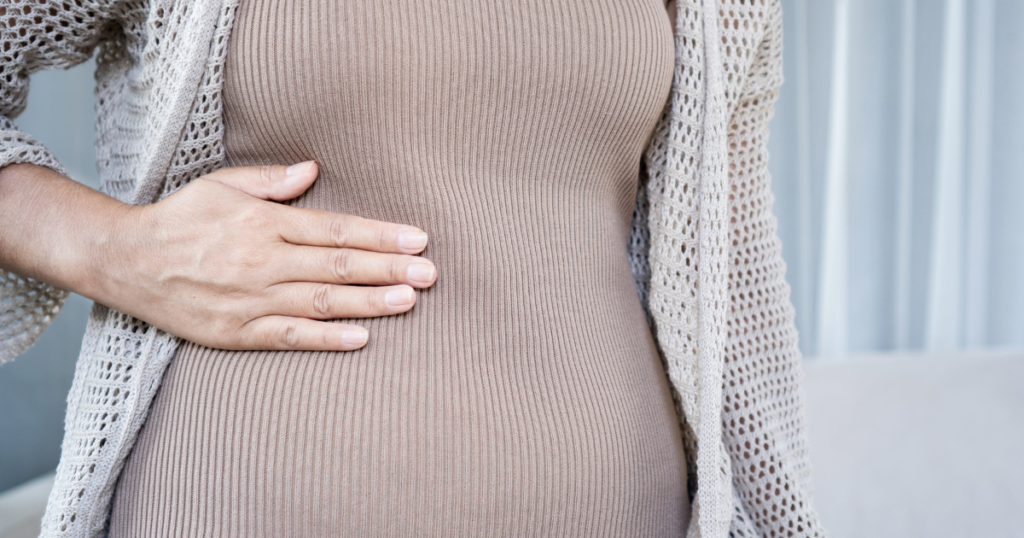
Feeling unusually bloated or puffy during perimenopause is extremely common.
You may notice:
- Your abdomen feels swollen by the end of the day
- Your face or fingers look puffier than usual
- Your clothes feel tighter—even without clear weight gain
This can feel confusing and frustrating, especially when your habits haven’t changed.
In most cases, this is not about fat gain. It reflects changes in hormones, fluid balance, digestion, and metabolism during perimenopause.
Hormonal Fluctuations Affect Fluid Retention
Estrogen and progesterone influence how your body regulates fluids.
During perimenopause, these hormones fluctuate unpredictably, which can lead to:
- Increased water retention
- A feeling of heaviness or puffiness
- Swelling in the abdomen, face, or limbs
This type of bloating often comes and goes rather than staying constant.
Changes in Gut Function Can Increase Bloating
Hormonal shifts also affect digestion.
You may experience:
- Slower digestion
- Increased gas or pressure
- Greater sensitivity to certain foods
Even foods that never caused issues before may now lead to noticeable bloating.
This is often linked to changes in gut motility and the way your body processes carbohydrates.
Blood Sugar and Insulin Play a Role
Unstable blood sugar can contribute to both bloating and fluid retention.
When insulin levels fluctuate:
- The body may retain more sodium and water
- Digestive symptoms may worsen
- Energy and appetite can become less stable
You can read more about this in how blood sugar affects energy in perimenopause.
Cortisol Can Increase Water Retention
Cortisol, the body’s main stress hormone, also affects fluid balance.
Higher cortisol levels can lead to:
- Water retention
- Increased abdominal pressure
- A feeling of being “puffy” rather than gaining fat
Stress, poor sleep, and over-restriction with food can all increase cortisol levels.
It’s Not Always Fat Gain
One of the most important distinctions is that bloating is not the same as fat gain.
Bloating:
- fluctuates throughout the day
- can change quickly
- often feels tight or uncomfortable
Fat gain:
- increases gradually
- does not fluctuate significantly day to day
If you’re unsure, it’s worth understanding how body composition changes during this phase. See why you gain belly fat in perimenopause (even if you’re eating less).
What Can Help Reduce Bloating
Addressing bloating in perimenopause usually involves supporting multiple systems.
Approaches that may help include:
Stabilising blood sugar
Balanced meals can reduce fluid retention signals.
Supporting digestion
Paying attention to food triggers and meal timing can help reduce bloating.
Managing stress and sleep
Lower cortisol can improve both digestion and fluid balance.
Supporting metabolic and hormonal function
Certain nutrients may help support these processes.
If you’re trying to improve body composition and reduce persistent bloating during perimenopause, this guide on weight gain and body recomposition in perimenopause explains what actually works.
The Bottom Line
Bloating and puffiness during perimenopause are common and usually linked to hormonal fluctuations, digestion changes, and fluid regulation—not just fat gain.
Understanding these patterns can help you respond more effectively and avoid unnecessary restriction or frustration.
Why You Feel Puffy and Bloated in Perimenopause (And What’s Actually Happening)
Feeling unusually bloated or puffy during perimenopause is extremely common.
You may notice:
- Your abdomen feels swollen by the end of the day
- Your face or fingers look puffier than usual
- Your clothes feel tighter—even without clear weight gain
This can feel confusing and frustrating, especially when your habits haven’t changed.
In most cases, this is not about fat gain. It reflects changes in hormones, fluid balance, digestion, and metabolism during perimenopause.
Hormonal Fluctuations Affect Fluid Retention
Estrogen and progesterone influence how your body regulates fluids.
During perimenopause, these hormones fluctuate unpredictably, which can lead to:
- Increased water retention
- A feeling of heaviness or puffiness
- Swelling in the abdomen, face, or limbs
This type of bloating often comes and goes rather than staying constant.
Changes in Gut Function Can Increase Bloating
Hormonal shifts also affect digestion.
You may experience:
- Slower digestion
- Increased gas or pressure
- Greater sensitivity to certain foods
Even foods that never caused issues before may now lead to noticeable bloating.
This is often linked to changes in gut motility and the way your body processes carbohydrates.
Blood Sugar and Insulin Play a Role
Unstable blood sugar can contribute to both bloating and fluid retention.
When insulin levels fluctuate:
- The body may retain more sodium and water
- Digestive symptoms may worsen
- Energy and appetite can become less stable
You can read more about this in how blood sugar affects energy in perimenopause.
Cortisol Can Increase Water Retention
Cortisol, the body’s main stress hormone, also affects fluid balance.
Higher cortisol levels can lead to:
- Water retention
- Increased abdominal pressure
- A feeling of being “puffy” rather than gaining fat
Stress, poor sleep, and over-restriction with food can all increase cortisol levels.
It’s Not Always Fat Gain
One of the most important distinctions is that bloating is not the same as fat gain.
Bloating:
- fluctuates throughout the day
- can change quickly
- often feels tight or uncomfortable
Fat gain:
- increases gradually
- does not fluctuate significantly day to day
If you’re unsure, it’s worth understanding how body composition changes during this phase. See why you gain belly fat in perimenopause (even if you’re eating less).
What Can Help Reduce Bloating
Addressing bloating in perimenopause usually involves supporting multiple systems.
Approaches that may help include:
Stabilising blood sugar
Balanced meals can reduce fluid retention signals.
Supporting digestion
Paying attention to food triggers and meal timing can help reduce bloating.
Managing stress and sleep
Lower cortisol can improve both digestion and fluid balance.
Supporting metabolic and hormonal function
Certain nutrients may help support these processes.
For a structured approach, see best supplements for weight gain and body recomposition in perimenopause.
The Bottom Line
Bloating and puffiness during perimenopause are common and usually linked to hormonal fluctuations, digestion changes, and fluid regulation—not just fat gain.
Understanding these patterns can help you respond more effectively and avoid unnecessary restriction or frustration.